Menu
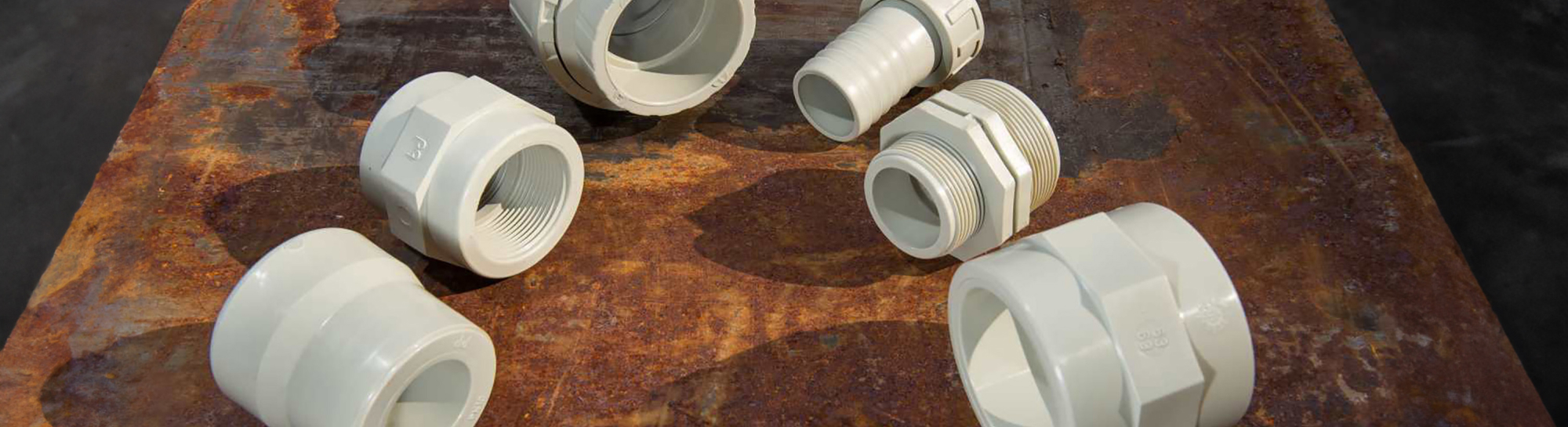
Raccordi in polipropilene per industria chimica
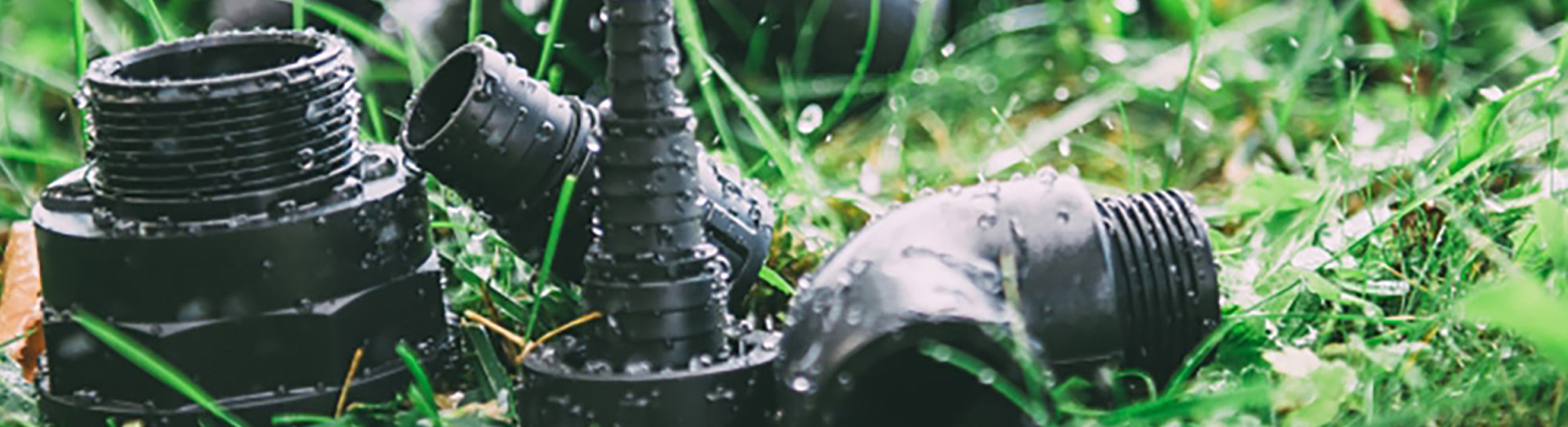
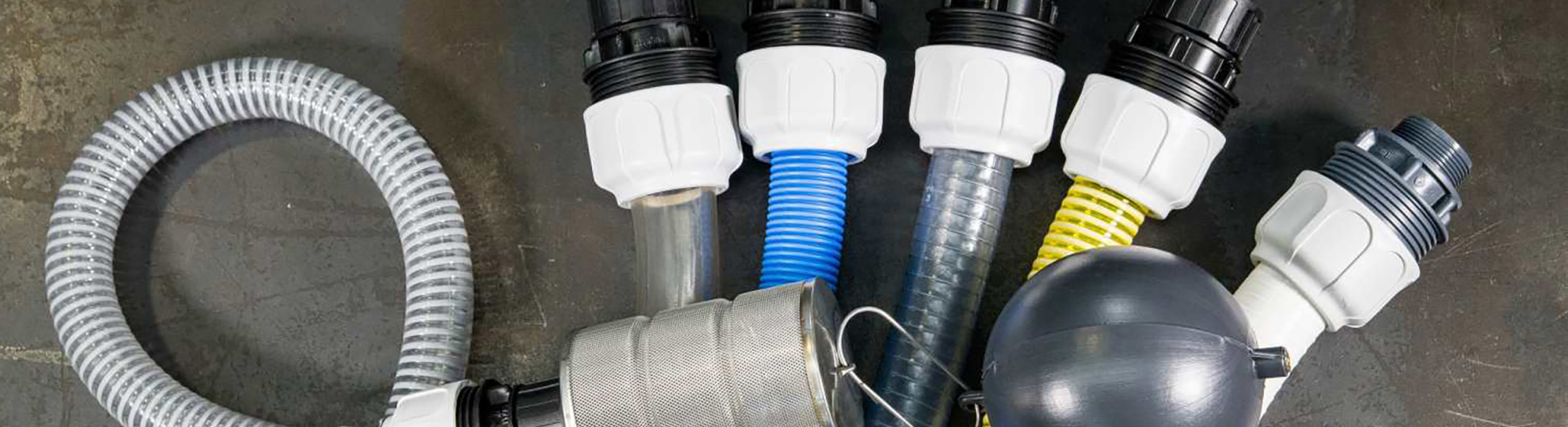
Raccordi in polipropilene filettati e portagomma per giardinaggio outdoor
Raccordi in polipropilene filettati e portagomma per industria
BDFast® l’innovazione tecnologica nella giunzione dei tubi flessibili
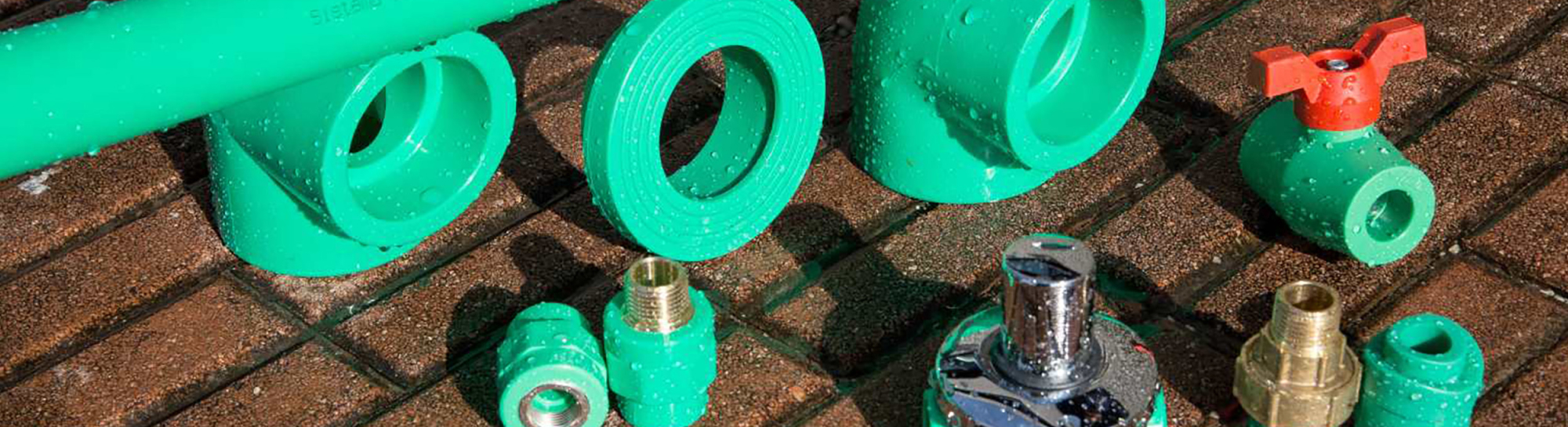
Sistema a saldare di raccordi e tubi per impianti Idro-Termo-Sanitari
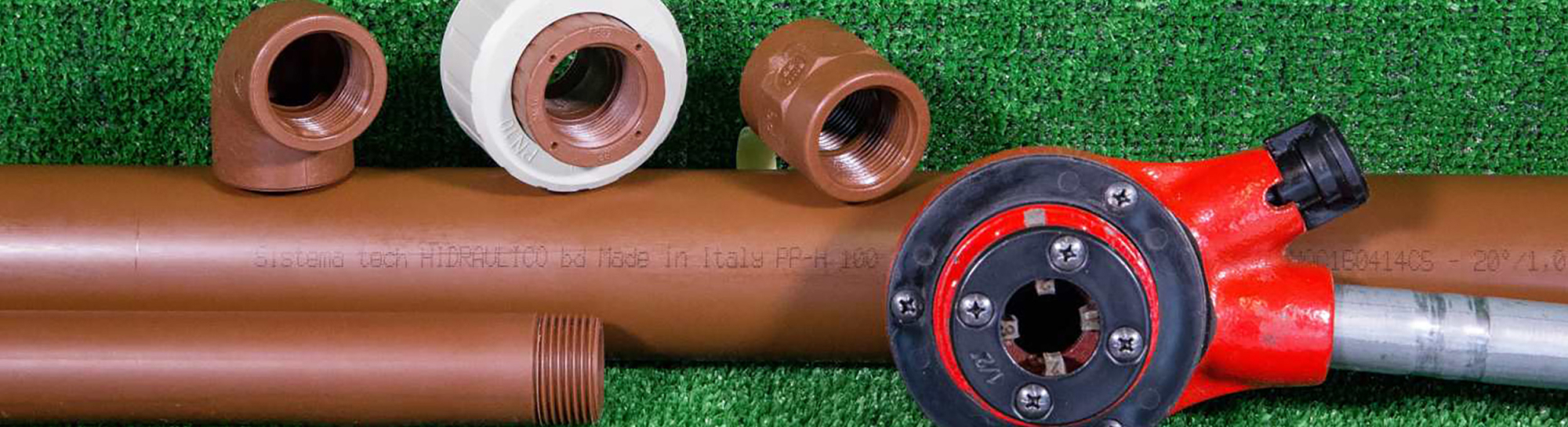
Sistema di raccordi e tubi filettabili per impianti idraulici
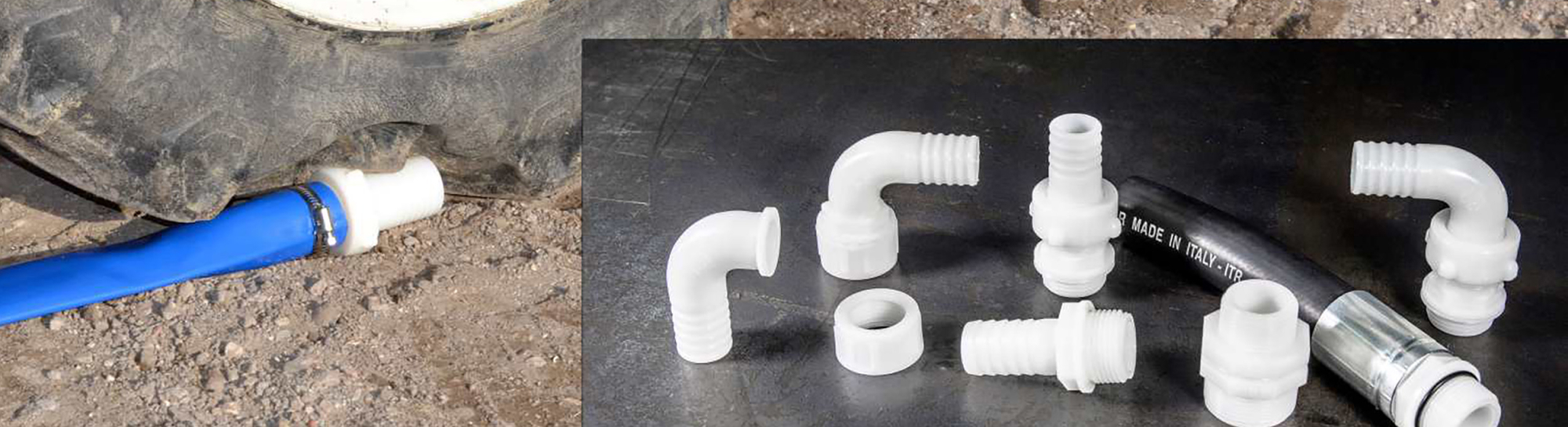
Raccordi portagomma in nylon e resina acetalica
Valvole di intercettazione ed antiriflusso in polipropilene e resina acetalica
Raccordi in polipropilene per industria chimica
Raccordi in polipropilene filettati e portagomma per giardinaggio outdoor

Siamo chiusi dal 24 dicembre 2025 al 6 gennaio 2026 inclusi

Attenzione: le spedizioni saranno sospese dal 17 dicembre 2025 al 6 gennaio 2026 compresi. Gli ordini ricevuti in questo periodo verranno processati a partire dal 7 gennaio 2026.

Raccordi per tubi plastici e sistemi

BUCCHI S.r.l. grazie ai suoi 50 anni di esperienza ha creato un offerta differenziata per settori eterogenei e servizi che l’hanno resa un punto di riferimento fisso per gli operatori nei settori dell’industria, dell’agricoltura,  del giardinaggio e del settore Idro-Termo-Sanitario

block background
Technical Information
Main features, maximum operating conditions, performance, mounting directions
See all
block background
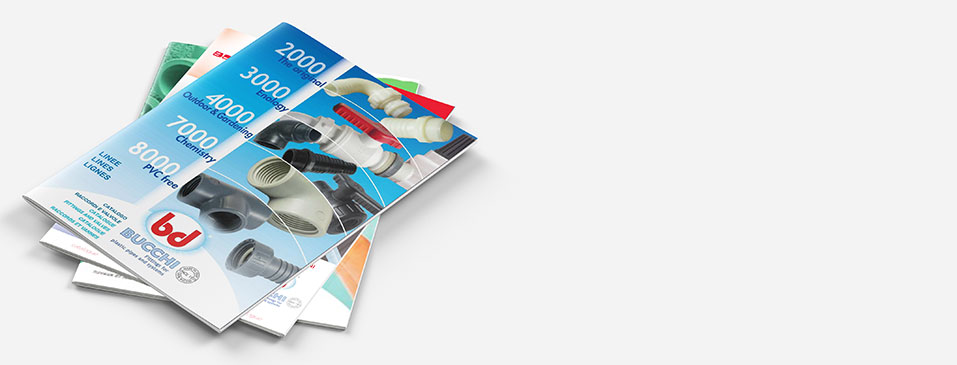
Download our catalogs for each sector
Download
Prevention of leaks in hydraulic systems
Preventing leaks in hydraulic systems: reliable strategies and solutions Leaks in hydraulic circuits are not just a technical problem: they represent an economic cost, a safety risk and a potential slowdown in production processes. Whether in industrial, agricultural or civil systems, ensuring the tightness of connection solutions is essential to guarantee operational continuity and reduce extraordinary interventions. For this reason, leak prevention in hydraulic systems must begin at the design stage: from the correct selection of materials to the choice of the most suitable hydraulic fittings, right through to the definition of an effective maintenance plan.With the right approach and reliable components, it is possible to minimise risks and increase the useful life of the entire system. Why do leaks occur in industrial systems? Understanding why leaks occur is the first step in preventing them. In hydraulic systems, these problems often depend on a combination of factors, including incorrect choice of materials, unfavourable environmental conditions and incorrect installation practices. 1. Inappropriate choice of materials Not all technical fittings are suitable for every type of fluid or operating condition. The use of materials that are not compatible with the substances being transported (such as aggressive chemicals or high-temperature liquids) can compromise the integrity of the component over time, causing micro-cracks or deformation. Mechanical strength and elasticity are also key factors in maintaining a seal over time. 2. Extreme operating conditions High pressures, frequent temperature changes or particularly corrosive environments accelerate the wear and tear of hydraulic fittings, especially if they are not specifically designed to withstand such stresses. In these contexts, even the best generic fitting can prove to be a weak point if not properly selected. 3. Installation errors or poor maintenance Approximate installations, incorrect tightening torques or the absence of periodic checks to monitor the prevention of leaks in hydraulic systems can compromise even the best systems. Prevention requires not only quality components, but also technical expertise and precise assembly procedures, supported by scheduled and informed maintenance. The key role of hydraulic fittings and preventive maintenance of fittings In the proper functioning of a hydraulic system, fittings are not just a minor detail. Rather, they are one of the most critical elements in ensuring the tightness, safety and operational continuity of the system. Precisely because they are subject to pressure, vibrations and temperature variations, technical fittings are often the point where leaks can occur if they are not chosen and managed correctly. This is where the importance of maintenance for the prevention of leaks in hydraulic systems comes into play. Periodically monitoring the condition of fittings and taking action before obvious defects appear can drastically reduce the risk of breakdowns, fluid leaks and system downtime. Preventive maintenance, if planned correctly, not only preserves the efficiency of the system, but also optimises long-term costs. Preventive maintenance of fittings is therefore not just good practice, but rather a genuine industrial strategy. We can summarise its main advantages in the following points: • Reduction in plant downtime, thanks to early detection of signs of wear• Minimisation of fluid leaks, which have a negative impact on costs and sustainability• Better planning of interventions, with savings on extraordinary maintenance costs• Extended component life and greater reliability of the entire system However, it cannot be denied that prevention actually begins long before installation: in fact, choosing the right fittings is crucial right from the design stage. That's why relying on an expert partner like Bucchi makes all the difference. Thanks to technical advice for original equipment, the Bucchi team supports manufacturers in selecting the most suitable components, testing materials in real conditions and proposing tailor-made solutions based on the type of fluid, the expected stresses and the operating environment. A well-designed system, especially if equipped with high-performance hydraulic fittings and managed with a preventive approach, is a system that is destined to last over time, without unpleasant surprises. Prevention is investment: Bucchi's approach to plant management In an industrial context, preventing leaks in hydraulic systems is essential to protect the operational efficiency, safety and sustainability of the entire system. And at the heart of this strategy are fittings. When chosen carefully and maintained correctly, they guarantee continuity and performance over time. For over 50 years, Bucchi has been supporting industrial manufacturers with solid technical expertise, personalised consulting and a complete range of technopolymer fittings designed to last. Our approach integrates material quality, design innovation and technical support for original equipment, offering solutions tailored to every application need. Relying on Bucchi means choosing a partner that does not just supply products, but also contributes concretely to the intelligent management of systems. Because preventing leaks today means gaining efficiency tomorrow.
Read more
Guide to selecting the right fitting for industrial applications
Guide to choosing industrial fittings: everything you need to know Choosing the right fitting is a crucial step in the design and maintenance of any industrial plant. From compatibility with the fluid being handled to mechanical and environmental stresses, every detail affects the efficiency, durability and safety of the system. In this article, we guide you through the selection of industrial fittings, providing you with a clear and practical overview of the criteria to consider and the most effective solutions. Whether you are designing a new plant or upgrading an existing system, making the right choice means reducing risks and optimising costs in the long term. Materials, shapes, performance: how to choose the right fitting Every industrial application has specific requirements that influence the choice of the most suitable fitting. Here are the main factors to consider: 1. Fluid type and chemical compatibility The fitting material must be compatible with the fluid being handled (liquid, gas or corrosive substances). Technopolymer fittings, for example, are ideal for aggressive fluids or environments where corrosion must be avoided. 2. Operating temperature and pressure Operating conditions are crucial: high-temperature or high-pressure systems require resistant materials and advanced technical specifications. In these cases, metal or reinforced technopolymer fittings are often considered. 3. Type of system and mechanical stress If the system is subject to vibrations, dynamic loads or frequent variations, it is necessary to choose fittings that can guarantee tightness, flexibility and long life. 4. Regulations and certifications Regulated sectors (food, pharmaceutical, chemical) require fittings that comply with specific safety and hygiene standards. Bucchi offers industrial fittings with certifications that meet the highest international requirements. Shapes, threads and configurations: adapting the fitting to the system Another decisive factor in choosing the right fitting is its technical configuration. The shapes, threads and joining systems must meet the exact requirements of the system to ensure a secure, durable and easily inspectable connection (even in the case of preventive maintenance of the fittings). The most common configurations include: • Straight fittings: ideal for linear connections between two pipes or components with the same axis. Available with different combinations of male/female threads or push-fit connections. • Elbow fittings (90° and 45°): allow the direction of flow within the system to be changed, maintaining optimal sealing and fluid dynamics. • T or cross fittings: used to create multiple branches in circuits, they are essential in complex systems with multiple distribution lines. • Quick-connect and plug-in joints: designed to simplify installation and maintenance, they reduce assembly times and improve ergonomics. • BSP, NPT, GAS or metric threads: compatibility with international standards is essential to ensure interchangeability and safety in connections. The availability of such a wide range of configurations allows each fitting to be adapted to complex systems or confined spaces, optimising performance and simplifying maintenance. With Bucchi's technical support, each customer can identify the ideal solution based on the system layout and application specifications. From the choice of thread to the customisation of the shape, every detail is designed to ensure functionality, reliability and ease of use. The advantages of Bucchi industrial fittings Choosing the right fitting also means relying on a partner capable of offering technical expertise, reliability and tailor-made solutions. In this sense, Bucchi technopolymer fittings are a benchmark for manufacturers and industrial operators seeking high performance and operational continuity. • A complete range of technical fittings: one of the widest ranges in the industry, to meet different needs in industrial, agricultural, plumbing and irrigation applications. • 100% Made in Italy design: each fitting is developed in-house, with certified production processes and constant attention to quality, innovation and safety. • Technical advice and support: the Bucchi team assists customers in choosing the most suitable connection solutions, with a consultative approach that ranges from material selection to customised design. • Recognised reliability in original equipment: numerous manufacturers choose Bucchi as their partner for the supply of fittings for original equipment, confirming the solidity, precision and durability of the solutions offered. Thanks to this combination of wide range, design quality and specialised support, Bucchi is able to respond to the most complex challenges of modern industry, guaranteeing a comprehensive, performance-oriented service. Make an informed choice: the right fitting makes all the difference In any industrial plant, choosing the right fitting is never a minor detail: it is a strategic technical decision that affects the efficiency, safety and durability of the system. Understanding materials, shapes and functional characteristics is the first step towards making informed choices that are consistent with specific application requirements. In this context, Bucchi offers itself not only as a supplier of technopolymer fittings, but also as a trusted technical partner. With over 50 years of experience and a comprehensive range of technical fittings, the company works alongside manufacturers to support them in selecting and implementing the most effective solutions. If you are looking for reliability, expertise and a complete range of technical fittings designed to last, Bucchi is the right choice. Contact us for personalised advice and find out how our fittings can improve the performance of your system.
Read more
Polymer or metal fittings: which to choose for your industrial system?
When designing industrial, agricultural or original equipment systems, the choice of fittings is key to ensuring efficiency, safety and durability. One of the most strategic decisions concerns the material: are polymers or metal fittings better? Both solutions have advantages and critical issues, but what really makes the difference is the correct assessment of the specific needs of the application. In this article, we explore the main features of each option to help you make an informed choice, thanks also to the technical support of a reliable partner such as Bucchi. Polymers fittings: lightness, chemical resistance and customisation Polymers fittings, or more precisely technopolymer fittings, are now a high-performance solution for many industrial sectors. Their success is due to a combination of technical and economic factors that make them ideal for a wide range of applications. Here are four advantages of technopolymer fittings: 1. Lightweight and easy to install Technopolymer fittings are lightweight, which makes them easy to transport, handle and install, even in complex systems or areas that are difficult to access. This reduces operating times and costs. 2. Excellent chemical resistance Technopolymers such as polypropylene (PP), nylon PA66 or acetyl resin (POM) offer high resistance to corrosion and aggressive fluids such as solvents, acids or fertilisers. This makes them particularly suitable for the chemical, agricultural and food industries. 3. Versatility and customisation options Thanks to advanced production processes, technopolymer fittings can be made to measure, with customised geometries and technical specifications based on the application. Bucchi, for example, develops specific solutions for complex systems or extreme operating conditions, supporting customers with co-design and application testing services. 4. Competitive cost and durability Compared to metal, plastic often has a lower cost, especially when considering the product's life cycle. This is important because durability in corrosive environments and reduced maintenance requirements contribute to significant long-term savings. Metal fittings: mechanical strength and application limits Metal fittings have always been a popular choice in many industrial applications, especially where high mechanical performance is required. However, their use also has certain limitations, particularly in terms of weight, chemical resistance and design flexibility. Let's take a look at them together: 1. High mechanical and thermal resistanceThe main strength of metal fittings is their robustness, which makes them ideal for high-pressure or high-temperature systems where very high structural resistance is required. Materials such as stainless steel, brass or aluminium guarantee reliable performance in extreme conditions. 2. Greater weight and installation complexityHowever, the weight of metal fittings compared to technopolymer fittings can be a problem, especially in systems where lightness is an operational advantage. In addition, these fittings often require specific tools and greater attention during assembly, resulting in increased installation time and costs. 3. Susceptibility to corrosionAlthough some metals are treated or naturally resistant to corrosion, exposure to certain chemicals or environmental agents can compromise the durability of the fitting. In sectors where chemical compatibility is essential, plastic can be a safer and more reliable option. 4. Limited design flexibilityMetal processing involves constraints in the creation of complex shapes or customised solutions. In contrast, engineering polymers allow greater design freedom, facilitating the development of complex geometries and fully customised solutions. Polymers or metal fittings? Applications that make the difference The choice between plastic or metal fittings depends heavily on the application context and specific operating conditions. Each material clearly has characteristics that make it more suitable for certain uses, and knowing these differences is essential to ensure efficiency, durability and safety. Therefore, a thorough understanding of the context of use is key to making the right choice: each application has specific requirements, and only a careful technical analysis can guide you towards the ideal fitting. When to choose technopolymer fittings Technopolymer fittings are the ideal solution in all contexts where lightness, chemical resistance and ease of installation represent a competitive advantage:• Corrosive fluid treatment plants: plastic materials offer superior chemical compatibility compared to metals.• Agriculture and irrigation: lightness, ease of maintenance and resistance to atmospheric agents make them perfect for this type of application.• Environments with a risk of metal corrosion: saline, humid environments or those with aggressive substances require materials that do not oxidise or deteriorate over time When to choose metal fittings Metal fittings are suitable for high-load applications or in extreme environments where mechanical properties must be at the highest level:• High-pressure or high-temperature systems: here, the strength and thermal stability of metal are essential.• Oil & gas sector: the highly technical and regulated environment requires superior, certified components.• Automotive and heavy industry: structural strength and durability make metal the most reliable choice. Final thoughts: the right choice starts with your needs and your partner Choosing between plastic or metal fittings is never an absolute decision, but a technical assessment that must consider numerous factors such as the type of fluid, operating conditions, mechanical and environmental stresses. Every system has specific requirements, and the best solution is always the one that best responds to the actual context. That is why Bucchi is not simply a supplier of technopolymer components and fittings, but a reliable technical partner for fluid connection and conveyance solutions. At Bucchi, we support manufacturers with personalised advice, application testing and tailor-made development to ensure the optimal choice in terms of performance, durability and safety. Thanks to over 50 years of experience and a constant commitment to design and material selection, Bucchi technopolymer fittings now offer performance that rivals that of metal in many industrial applications. Lightweight, durable and technologically advanced, our connection solutions are the strategic choice for modern, efficient and durable systems. Find out more about our solutions.
Read more

Fiere ed eventi

Parteciperemo agli eventi specializzati di settore per presentare le caratteristiche innovative dei nostri prodotti
10-14 Novembre 2026
Bologna

Ci hanno scelto

Finanziato con Fondi Europei per il Sostegno della transizione digitale delle imprese dell'Emilia-Romagna

ASSOCIATI A:

Certificazioni

Dal 1997, la BUCCHI srl si dedica all'ottenimento e al rinnovo delle certificazioni aziendali, garantendo la massima qualità e conformità. Inoltre, confermiamo la qualità dei nostri prodotti attraverso certificazioni specifiche, offrendo ai nostri clienti prestazioni e garanzie certificate, contribuendo così a consolidare la nostra reputazione di affidabilità nel settore.